Visiting Carthage 2026: Tickets, 30 DT Pass, Hours + Taxi
Visiting Carthage: Complete Archaeological Sites Guide 2026
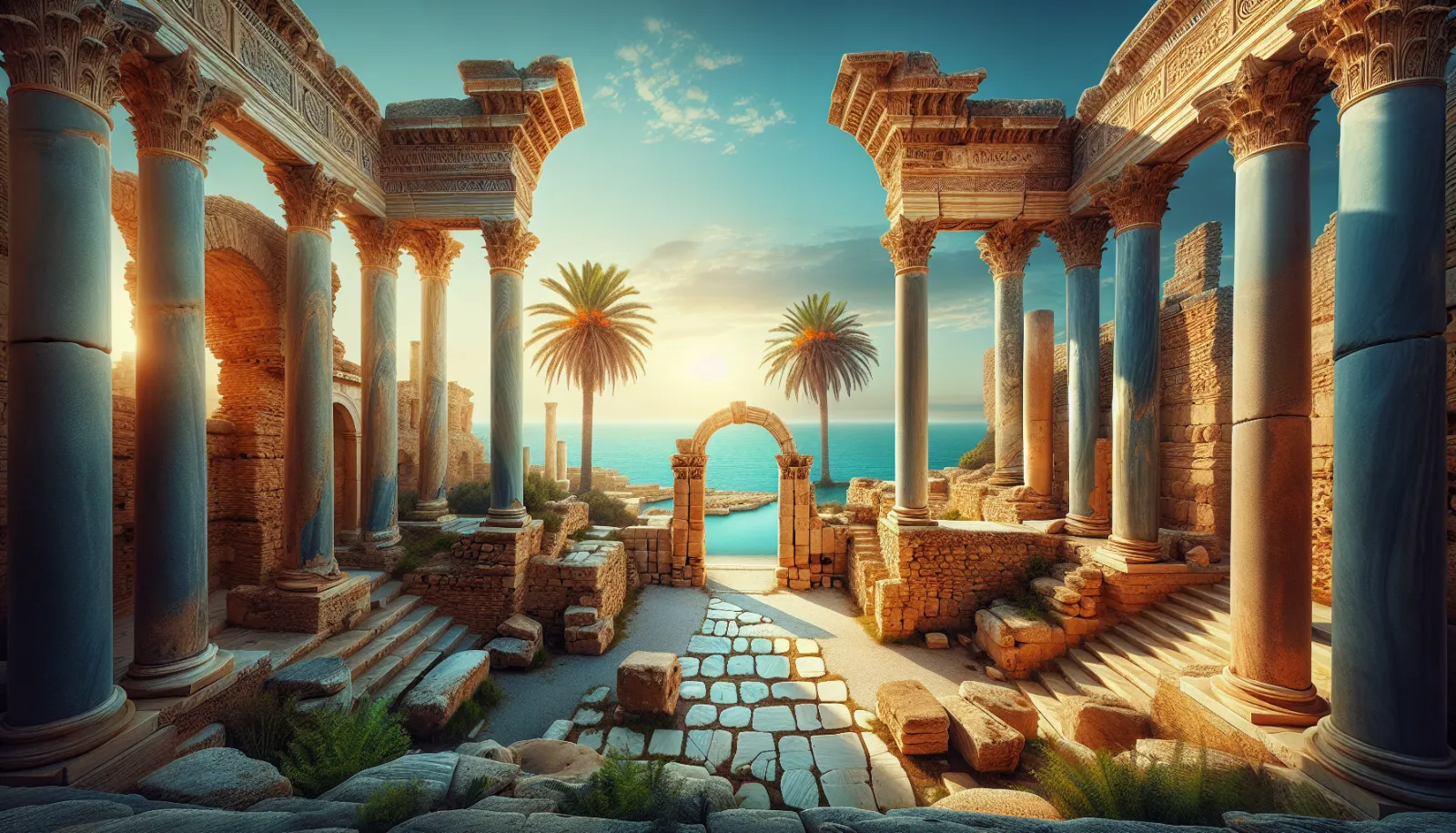
Founded in 814 BC by Phoenician settlers from Tyre, Carthage became one of the most powerful cities in the ancient Mediterranean world. Destroyed by Rome in 146 BC after three Punic Wars, it was rebuilt as the capital of the Roman province of Africa under Julius Caesar and Augustus. Today a residential suburb of Tunis, Carthage preserves scattered but impressive vestiges — spread across seven archaeological sites covered by a single pass.
History in Brief
- 814 BC: Founded by Elissa (Dido) — major commercial and maritime capital
- 264–146 BC: The Punic Wars against Rome (Hannibal's crossing of the Alps)
- 146 BC: Complete destruction by Scipio Aemilianus
- 44 BC: Julius Caesar orders its reconstruction as a Roman colony
- 2nd–3rd centuries AD: Roman Carthage, second city of the empire after Rome
- 439 AD: Captured by the Vandals, capital of the Vandal Kingdom
- 533 AD: Byzantine reconquest
- 698 AD: Final destruction by Arab forces, with Tunis succeeding it
Getting There
Carthage is 20 km north-east of Tunis (30–45 min by taxi depending on traffic). It is one of Tunisia's most accessible sites.
| Departure | Duration | Estimated taxi fare |
|---|---|---|
| ----------- | ---------- | --------------------- |
| Tunis city centre / hotels | 30–45 min | 25–40 TND return |
| Tunis-Carthage airport | 15–20 min | 15–25 TND return |
Private taxi for the full day (with waiting between sites): 60–100 TND, recommended for visiting several sites in one day.
Book a Carthage & Sidi Bou Said excursion
The Carthage Multi-Site Pass (~30 TND)
This pass covers entry to all 7 Carthage archaeological sites:
- Antonine Baths
- National Museum of Carthage (Byrsa Hill)
- Tophet (Punic sanctuary)
- Punic Ports
- Roman Theatre
- Roman Villas (Odeon)
- Amphitheatre
The pass is available at the entrance to any of the sites.
Must-See Sites
The Antonine Baths (2nd century AD)
The largest Roman baths in Africa and third largest in the Roman world, after Caracalla and Diocletian in Rome. Built under Hadrian and completed under Antoninus Pius, they dominated the sea at Carthage. What remains visible today — the basements and a few columns — is enough to convey the scale of the building (180 × 150 m). The terrace offers magnificent views over the Gulf of Tunis.
Byrsa Hill — National Museum of Carthage
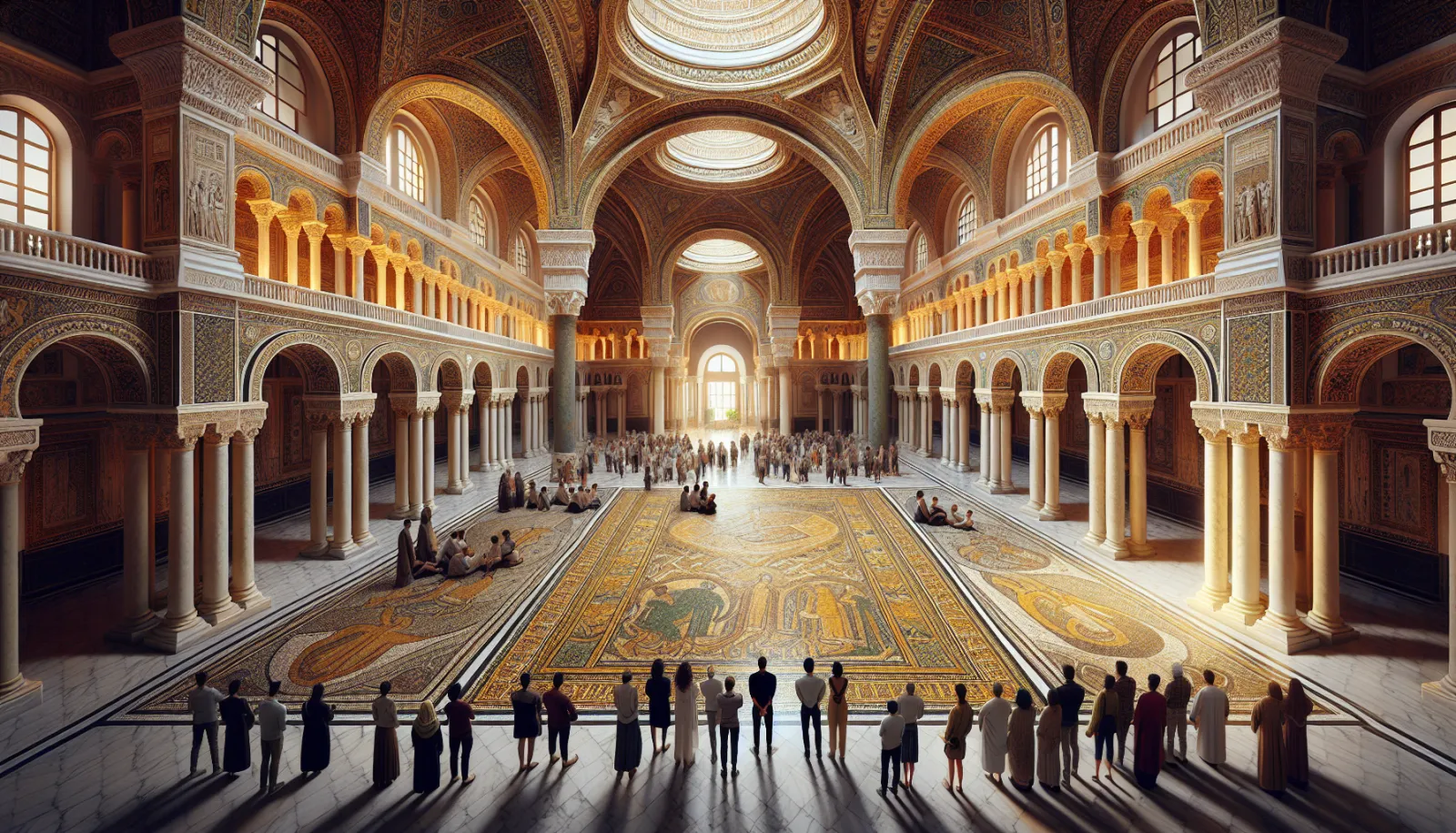
At the top of the hill where the Punic acropolis once stood, the museum occupies the former Saint Louis Cathedral. Collections cover Punic Carthage (stelae, ceramics, jewellery, masks) and Roman Carthage. The archaeological excavation of Byrsa, visible from the esplanade, reveals a Punic neighbourhood from the 2nd century BC.
The Tophet (Sanctuary of Tanit)
This Punic funerary site — the largest in the ancient world — was dedicated to the goddess Tanit and the god Baal Hammon. Thousands of votive stelae have been found here. The question of child sacrifice ("moloch") remains one of antiquity's most debated controversies.
The Punic Ports
Two circular basins still identifiable: the military port (circular, 300 warships) and the commercial port (rectangular). The small on-site museum presents a reconstruction of a Punic warship.
The Roman Theatre
Restored to host the Carthage International Festival (July–August), this 5,000-seat theatre is one of Tunisia's most active performance venues. Archaeologists have debated the restoration, but the setting remains spectacular.
Recommended Itineraries
Half day (3–4 hours): Antonine Baths + Byrsa Museum + Tophet Full day: All 7 sites + lunch in La Marsa or Sidi Bou Saïd Cultural weekend: Carthage + Bardo (Day 1) / Sidi Bou Saïd + La Marsa (Day 2)
Can You Combine Carthage with Sidi Bou Said?
Absolutely — Sidi Bou Saïd is just 5 minutes by car from Carthage. The white-and-blue village, perched on a cliff above the sea, is a perfect contrast to the ancient ruins. Allow 2 hours for Sidi Bou Saïd (medina, Café des Nattes, terraces).
Book a Sidi Bou Said & Carthage excursion
FAQ
How long does it take to visit Carthage? A half day for 2–3 main sites, a full day for all 7 sites. The sites are spread over 3–4 km² — a taxi or car is needed to link them efficiently.
Which Carthage site should you start with? The Antonine Baths immediately convey the scale of Roman Carthage; then climb to Byrsa for a perspective over the whole site.
Is Carthage included in eTaxi's Sidi Bou Said excursion? Yes, our Sidi Bou Saïd & Carthage excursion covers both sites in one day.
What season is best for visiting Carthage? Year-round, but spring and autumn are ideal. In summer, heat and festival crowds can overload some sites.
Visit Carthage with a private E-Taxi driver. Book online or call +216 31 324 324.
About the Author

Équipe E-Taxi
Spécialistes du transport longue distance en Tunisie depuis 2015
Want to get there?
Book a taxi to Carthage
Don't want to deal with transport? eTaxi takes you to Carthage from Tunis with a professional driver, official meter rate, live tracking. Available 24/7.