Visiting Tunis Medina (UNESCO): Guide, Hours, Map · 2026
Tunis Medina: Complete Visit Guide 2026
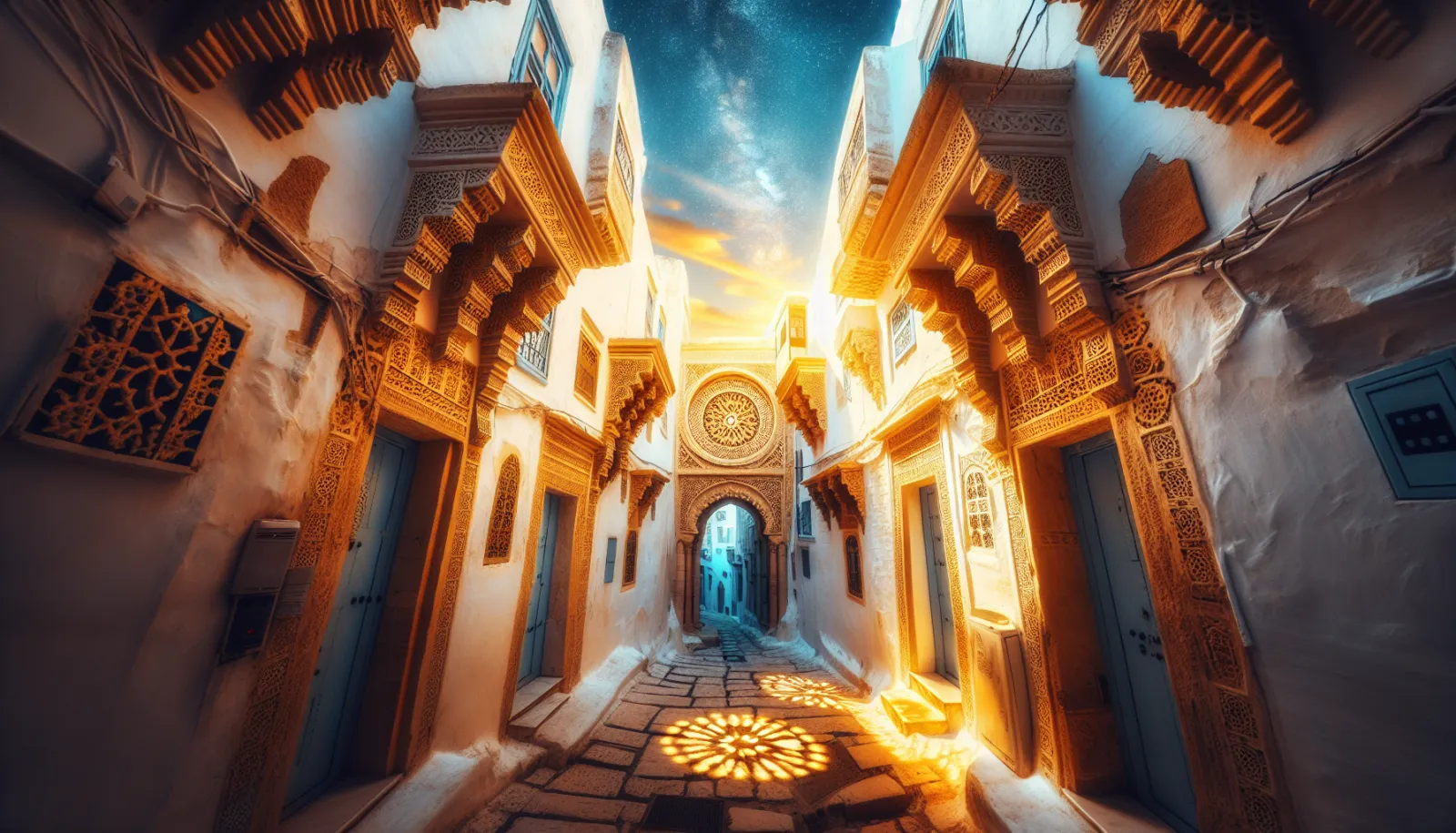
The Tunis Medina is one of the best-preserved Arab cities in the Maghreb. Inscribed on the UNESCO World Heritage List in 1979, it contains more than 700 monuments — mosques, mausoleums, palaces, madrasas and fountains — within a labyrinth of white-washed alleyways that has barely changed since the Middle Ages. Founded in the 7th century, it served as the capital of several Berber and Arab dynasties before the Ottoman era, and remains today a living neighbourhood where artisans, merchants and Tunisian families coexist with visitors.
History in Brief
- 698 AD: Foundation of Tunis after the Arab destruction of Carthage
- 9th century: Construction of the Great Zitouna Mosque — intellectual hub of the Islamic world
- 13th–14th centuries: Peak under the Hafsids — madrasas, palaces, guild-based souks
- 16th century: Ottoman rule, Turkish-style domed mosques
- 1979: UNESCO inscription — one of the first Arab medinas to receive this status
Getting There
The medina is in the heart of Tunis, accessible from all city hotels in 10–20 minutes.
| Departure | Duration |
|---|---|
| ----------- | ---------- |
| Tunis-Carthage Airport | 20–30 min |
| Seafront hotels (Gammarth/Marsa) | 25–40 min |
| TGM station (Tunis Marine) | 5 min walk |
For a taxi, the price is shown before you confirm your request.
The main gate Bab el Bhar (Porte de France) opens directly onto Avenue Bourguiba — the natural entrance from the modern city centre.
Book a taxi to the Tunis Medina
Must-See Sites
Great Zitouna Mosque (732 AD)
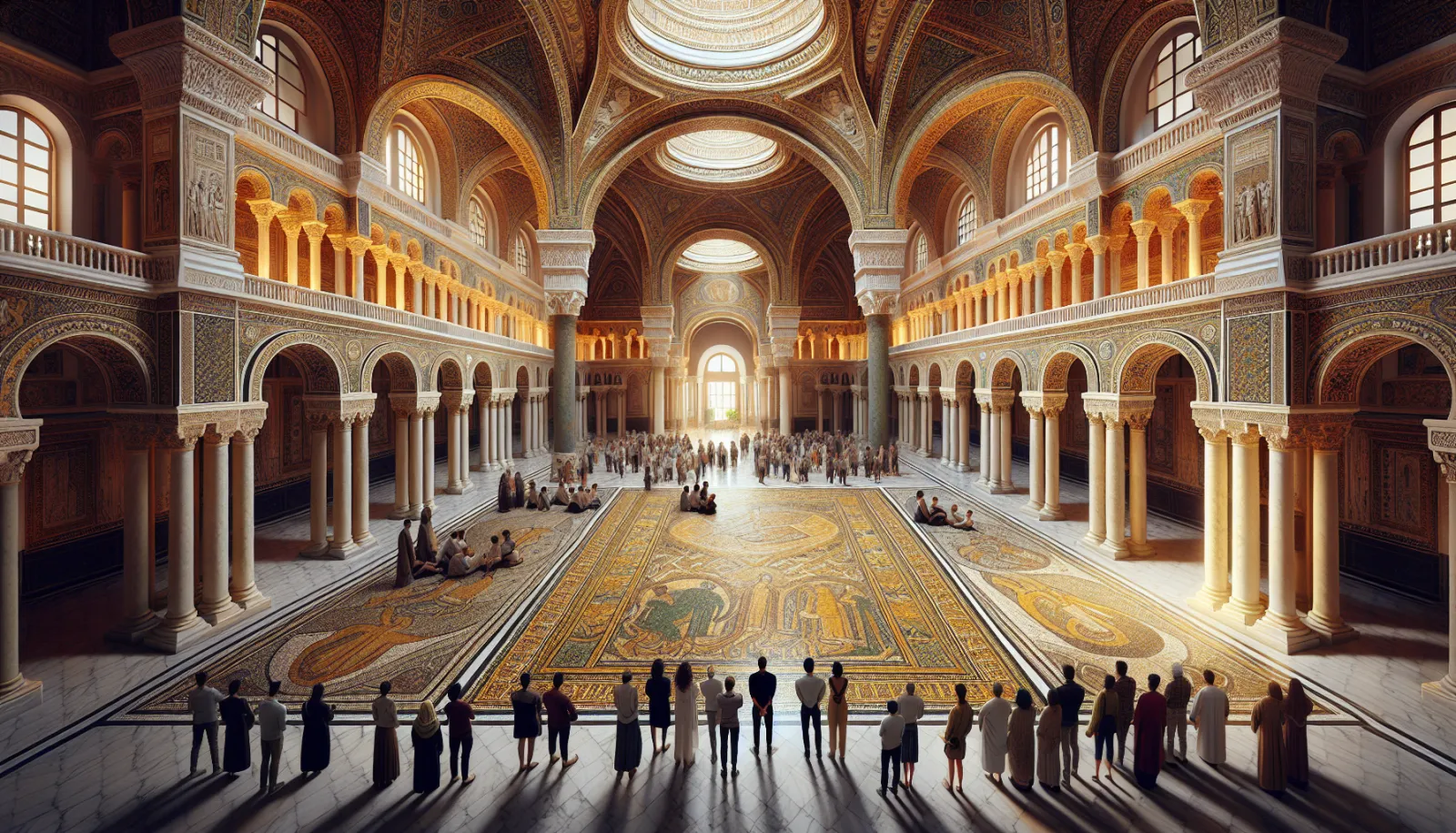
The central monument of the medina and one of the oldest mosques in Africa. Its name means "the olive tree" — according to tradition, an olive tree grew at the spot of the first prayer. The hypostyle hall contains 160 columns salvaged from ancient Carthage and Bardo sites. Non-Muslims may enter the courtyard (~3 TND) but not the prayer hall.
The Historic Souks
Around Zitouna, thematic souks dating from the Middle Ages are organised by trade:
- Souk des Chéchias: the red felt cap, Tunisia's national symbol
- Souk des Orfèvres: gold and silver jewellery, traditional filigree
- Souk el Attarine: spices and perfumes
- Souk des Étoffes: embroidered fabrics, burnous, djellabas
Dar Ben Abdallah — Museum of Arts and Popular Traditions
An 18th-century palace converted into an ethnographic museum, displaying traditional Tunisian costumes, jewellery and furniture. Entry ~3 TND. A calm refuge from the bustle of the souks.
Slimaniya and Mountassiriya Madrasas
The medieval Koranic schools are among the finest examples of Islamic architecture in Tunis — marble colonnades, carved wooden mashrabiyas, central courtyard with basin.
Bab el Bhar, Bab Souika, Bab el Khadra
The old medina gates mark its historic entrances. Bab Souika to the north opens onto a lively popular neighbourhood.
Tourbet el Bey — Husseinite Mausoleum
The 18th-century dynastic mausoleum of the Beys of Tunis is often overlooked by tour guides, but worth a visit for its silence and marble cenotaphs.
Recommended Itineraries
Half day (3h): Bab el Bhar → Souk el Attarine → Zitouna (courtyard) → Souk des Chéchias → Dar Ben Abdallah Full day: Add Slimaniya Madrasa, Tourbet el Bey, Bab Souika, lunch in a medina restaurant Weekend: Medina Day 1 / Bardo Museum + Carthage Day 2
Practical Tips
- Hours: The medina is lively 9am–6pm on weekdays; Friday mornings are quieter (noon prayer at Zitouna)
- Dress code: Shoulders and knees covered recommended; mandatory to enter the Zitouna courtyard
- Bargaining: Normal in the souks — displayed prices are often double the final price
- Navigation: The medina is a labyrinth; use Zitouna as your central landmark
- Recommended duration: 3–5 hours for a thorough visit
Combining with Other Sites
- Bardo Museum: 15 min by taxi (world-class Roman mosaics)
- Carthage + Sidi Bou Said: 30–45 min by taxi (ancient ruins + picturesque village)
- Medina + Bardo + Carthage: Classic two-day circuit from Tunis
Book a Bardo excursion | Book a Carthage excursion
FAQ
Do you need a guide to visit the Tunis Medina? A local guide (30–50 TND per half day) greatly enriches the visit — they know the hidden corners and can open doors normally closed to solo visitors. For independent exploration, a map will suffice.
Is the medina safe for tourists? Yes, the Tunis Medina is one of the safest medinas in the Maghreb. Commercial hawking exists in the souks but remains moderate. Avoid isolated alleyways after dark.
When is the best time to visit? Morning (9–11am) before tourist crowds and afternoon heat. During Ramadan, the medina takes on a particularly festive atmosphere in the evenings.
Explore the Tunis Medina by private taxi. Request online or call +216 31 324 324.
Want to get there?
Book a taxi to Médina de Tunis
Prepare a journey from Tunis to Médina de Tunis. Specify the date, passengers and luggage, then review the proposed price and conditions. Driver assignment and availability require confirmation.